About this treatment
Treat sweating that gets in the way of everyday life.
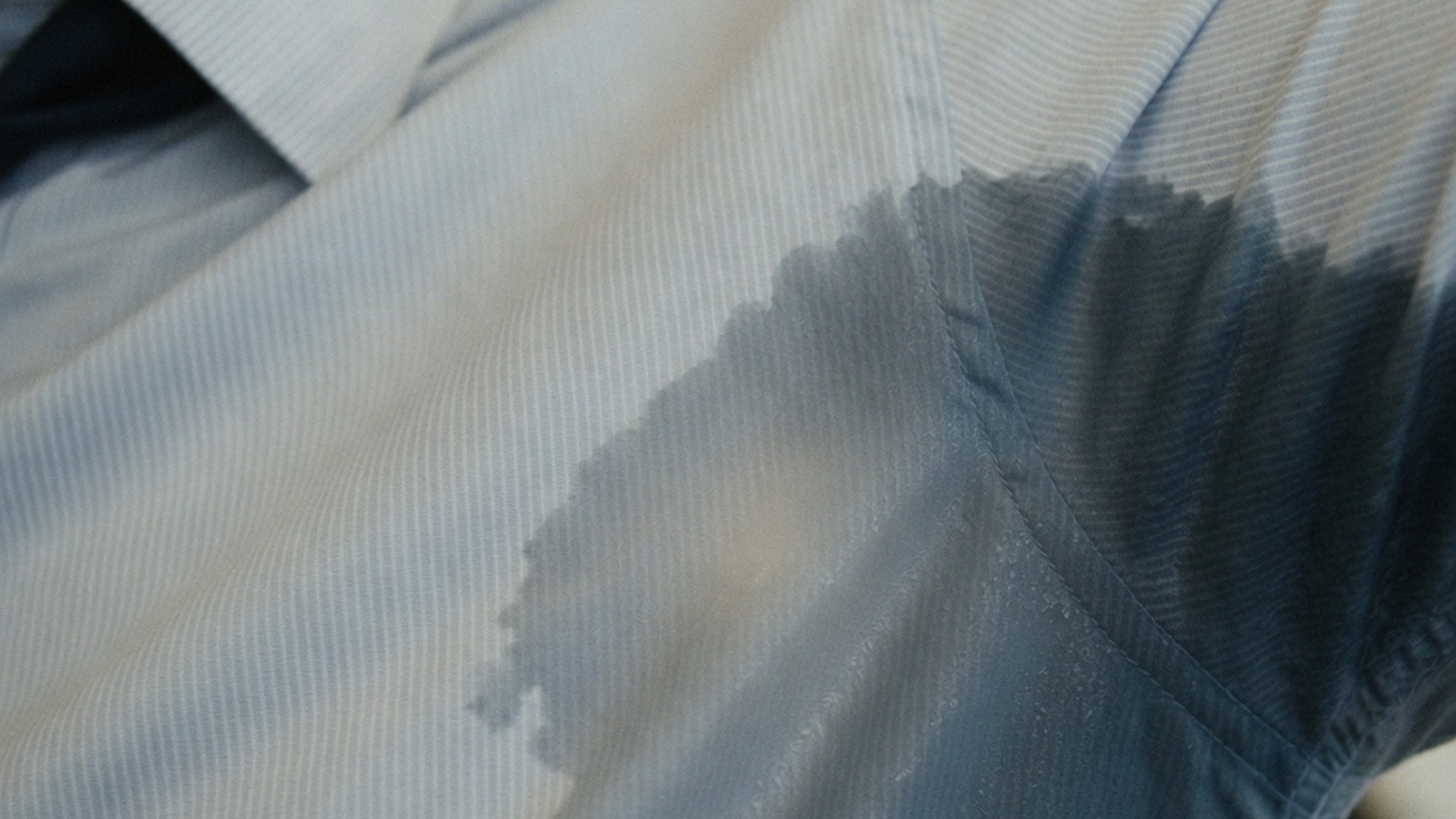
Hyperhidrosis is excessive sweating that commonly affects the underarms, hands or feet. Laser Aesthetics uses targeted injections to reduce sweating in the area being treated, with the plan based on where symptoms occur, how they affect you and whether the treatment may be covered by your insurance.
Hyperhidrosis is more than ordinary perspiration. It can affect clothing choices, work, social situations and comfort even when heat or activity does not explain the amount of sweating.
Laser Aesthetics uses targeted injections in suitable areas to reduce the signals involved in sweating. The underarms, palms and feet are common concerns, and the clinic can also help you understand whether insurance may apply.
Map the sweating pattern before treatment.
The consultation looks at where sweating occurs, whether it is symmetrical, when it began and how it affects work, clothing, sleep or daily activity. Medications and health history are also reviewed before treatment is considered.
Susan Caterine, R.N. performs the clinic's injectable treatments. The treatment area is mapped so small injections can be distributed across the skin where sweat glands are most active, rather than treating every patient with the same pattern.
Start with how sweating affects your day.
Excessive sweating deserves an assessment of both the symptoms and their possible cause. Describe when it began, the areas affected and whether it happens during sleep. Changes in medication or health can matter, so the conversation should go beyond how much antiperspirant you use.
Tell us which activities are difficult, such as choosing clothing, working or social situations. Ask whether a local treatment is appropriate and how it compares with other options. Coverage and eligibility depend on the circumstances; confirm any benefit requirements directly with your insurer.
Book a consultation · Why an assessment matters
Common questions
Which areas can be treated?
Laser Aesthetics discusses excessive sweating in areas including the underarms, palms and feet, with suitability assessed individually. These areas do not all have the same treatment considerations or product indications. Tell us where sweating occurs and how it affects you, then ask which options apply to that area and whether another medical assessment is needed first.
How does the treatment reduce sweating?
Botulinum toxin injections can temporarily reduce the nerve signals that stimulate sweat glands in a treated area. They do not establish the cause of excessive sweating or treat every reason it may occur. The consultation should explain why injections are being considered, what improvement is realistic and how their benefits and limitations compare with options you have already tried.
Is anesthesia required?
Injections can sting, and comfort varies by person and treatment area. Discuss sensitivity, needle anxiety and previous experiences before deciding, especially for the palms or feet. Ask what comfort measures would be available for your plan and how to speak up during treatment. A description such as quick or minimally invasive should not be taken as a promise of a painless experience.
Can insurance cover treatment?
Some private plans may cover eligible hyperhidrosis treatment, but coverage depends on the insurer and policy. Ask your insurer about required diagnosis, prior treatments, authorization and whether medication and procedure fees are handled separately. The clinic can help identify information needed for the proposed treatment, but confirm reimbursement directly before relying on an estimate or proceeding with a booking.
What happens at a hyperhidrosis consultation?
We discuss the location, timing and impact of sweating, relevant health history, medications and previous attempts to manage it. Mention symptoms that are new, widespread or occur at night, since further medical investigation may be needed. Bring examples of how sweating affects daily life so the consultation can address a practical goal rather than only the visible amount of perspiration.
Who performs hyperhidrosis injections?
Susan Caterine, R.N., is the clinic's lead injector and performs injectable treatments. Ask who would be involved in your particular assessment and prescription, and how follow-up is arranged. Before proceeding, you should understand the proposed area, expected temporary benefit, risks and aftercare, as well as who to contact if your response differs from what was discussed.
Who performs it
Lead injector and clinic owner
Susan Caterine, R.N.
Susan focuses on injectable treatments and individualized plans, with ongoing clinical education at the centre of her practice.
- College of Nurses Ontario
- RNAO member
- Society of Plastic Surgical Nurses
- International trainer and educator
Recommendations are informational. A clinical consultation is required to confirm suitability, risks and expected results.